
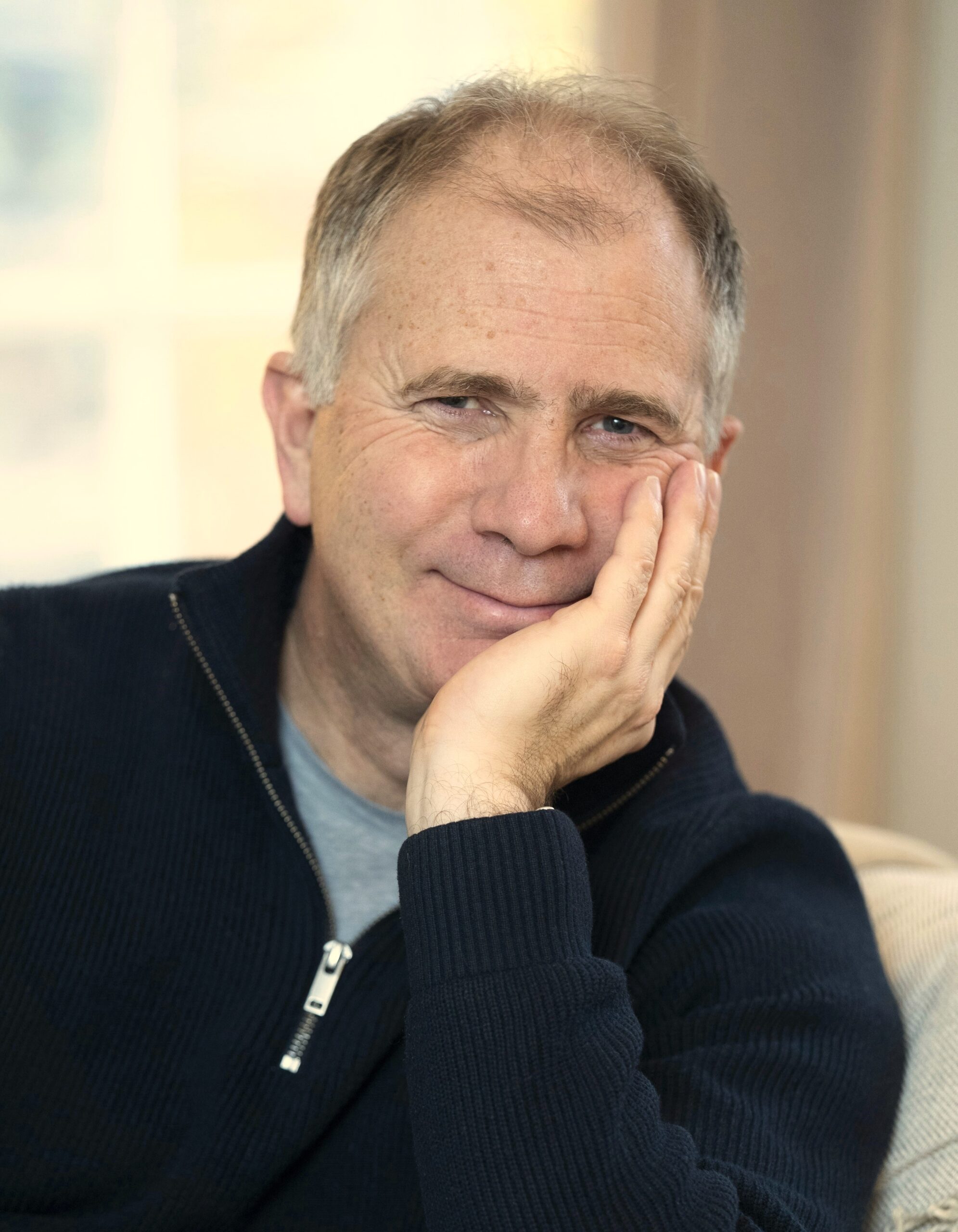
Nick Page
Psychotherapist, Counsellor and Coach
Contact Details
Associations & Memberships
Registered Member, British Association for Counselling and Psychotherapy (BACP), registration number 01036865. Accredited registrant of the National Counselling and Psychotherapy Society (NCPS), membership number NCPS4321. Working in accordance with their ethical frameworks.
About
Many people arrive in therapy not because something has broken, but because the ways they have learned to cope – the resilience, the self-reliance, the getting on with things – are no longer enough on their own. Outwardly capable, inwardly unsettled. That gap between how life looks and how it feels inside is often what brings people here.
My approach is integrative, trauma and somatically informed: working with patterns, with what the body and nervous system carry, and with the experiences that shaped how someone copes and relates. Before retraining as a therapist, I spent over twenty years in technology leadership. I also have my own experience of boarding school and navigating the world with a neurodivergent mind. That combination is a large part of what brought me here.
One area I understand particularly well is the long-term impact of boarding school: not from a textbook, but from lived experience. The patterns it tends to create: self-reliance as a survival strategy, difficulty with vulnerability, a quiet uncertainty about who you are beneath the coping. These often don’t become apparent until later in life, sometimes through a relationship, sometimes through a moment of transition. I also work with partners trying to make sense of what their spouse or partner has been through.
What I Offer
Integrative, trauma-informed psychotherapy and somatic therapy for people who sense a gap between how life looks and how it actually feels. This includes work with trauma and its effects; the long-term impact of boarding school; burnout and the strain of sustained responsibility; self-doubt and repeating patterns that resist effort; strain or distance in close relationships; late diagnosis of ADHD and its impact on identity and self-understanding; and life transitions.
Some of what keeps people stuck doesn’t respond to thinking alone. Working with the body and the nervous system can create change that conversation by itself doesn’t always reach. My CPCAB Level 5 training in somatic approaches to trauma means I can work at that level when it’s useful.
Qualifications
- Diploma in Humanistic Psychotherapy and Counselling, HOMA London (four-year training).
- Accredited Executive Coach, Association for Coaching (AOEC).
- BEng (Hons) Engineering, University of Warwick.
Prior to retraining as a therapist, Nick spent over twenty years in senior roles across technology, product strategy, and organisational leadership, including a significant period at Microsoft working with founders, startups, and enterprise organisations. He brings lived experience of neurodivergence, boarding school, and the demands of high-pressure professional life. He engages in regular clinical supervision and is committed to ongoing development.
Fees
An initial free 20-minute introductory video call is offered to all new clients, giving you the chance to ask questions, get a sense of how I work, and decide whether working together feels right.
£75 per 50-minute session. A limited number of lower-cost places are available – please get in touch to discuss.